- Follow us:


Varicose Veins: Causes, Symptoms, and Practical Ways to Manage Them
07/02/2026
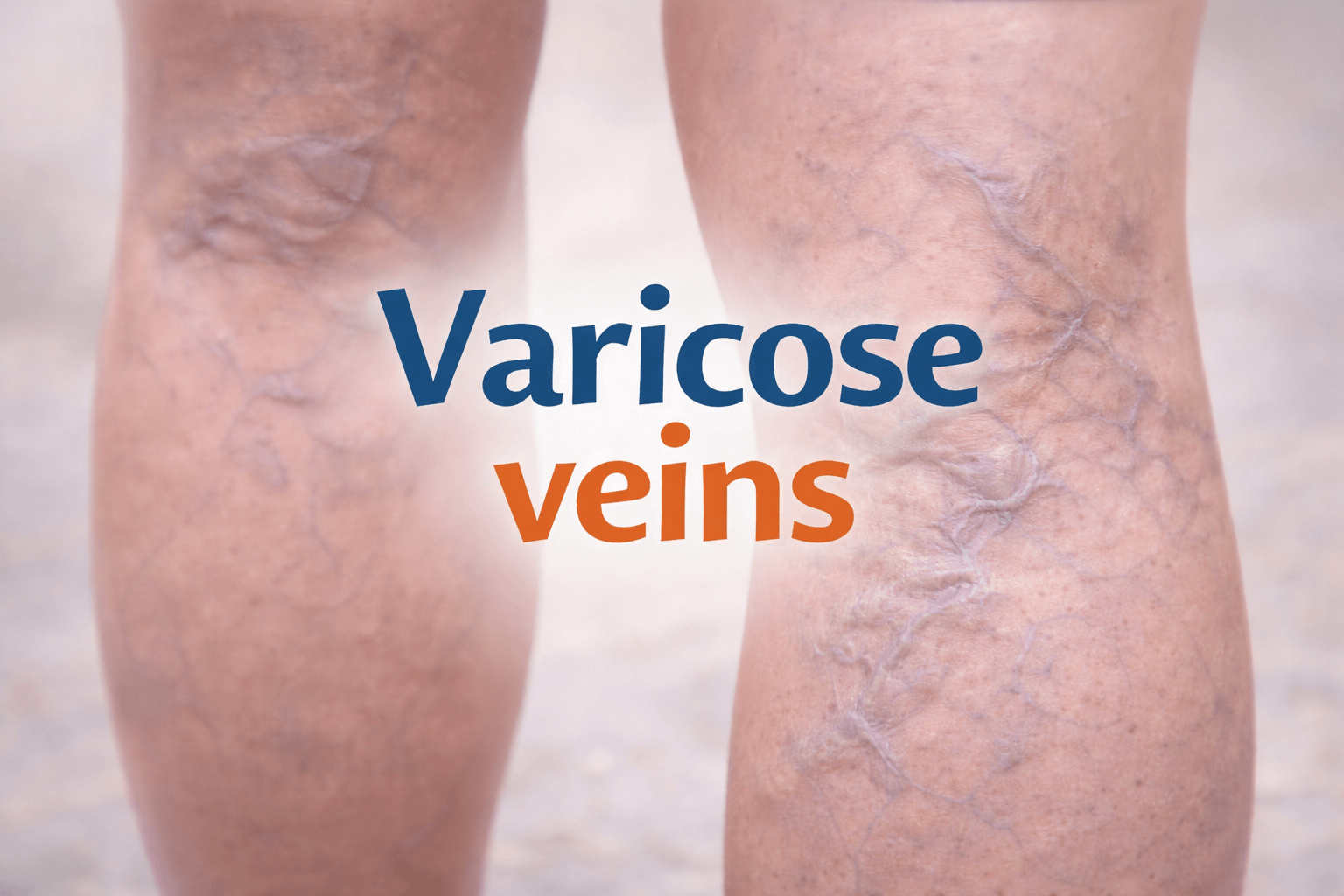
Varicose veins are not just a beauty issue. For many people, they come with discomfort, heaviness, or pain in the legs that can interfere with daily life. You might notice bulging, twisted veins after standing all day or feel aching legs by evening and wonder if it’s something to worry about.
Understanding what are varicose veins, why they occur, and how to manage them early can make a big difference in long-term comfort and leg health. This guide explains everything in a clear, practical, and easy-to-follow way.
Table of Contents
What Are Varicose Veins?
Varicose veins are enlarged, swollen, and twisted veins that usually appear just under the skin. They are most commonly seen on the legs and feet because standing and walking increase pressure in the lower-body veins.
Healthy veins have one-way valves that keep blood flowing toward the heart. When these valves weaken or stop working properly, blood can flow backward and collect in the vein. Over time, this causes the vein to stretch, twist, and become visibly enlarged.
Common Characteristics
- Dark purple, blue, or skin-colored veins
- Bulging or rope-like appearance
- Visible just beneath the skin surface
- Often worse after long periods of standing
Common Causes?
Many people ask what causes varicose veins, and the answer is usually a combination of factors rather than a single reason.
1. Weak or Damaged Vein Valves
When vein valves fail to close properly, blood pools instead of flowing upward. This constant pressure weakens the vein walls.
2. Prolonged Standing or Sitting
Jobs that involve long hours of standing (teachers, retail workers) or sitting (office workers, drivers) increase pressure in leg veins.
3. Aging
As we age, veins lose elasticity, and valves may weaken, making varicose more common after 40.
4. Genetics
If your family has a history of varicose veins, you might be more likely to get them.
5. Pregnancy
Increased blood volume, hormonal changes, and pressure from the growing uterus can strain leg veins.
6. Obesity
Extra body weight adds pressure on the veins, making it harder for blood to circulate efficiently.
Symptoms to Watch For
Varicose symptoms can vary from mild discomfort to noticeable pain. Some people experience visible veins without pain, while others feel symptoms even before veins appear.
Common Symptoms
- Aching or throbbing legs
- Heaviness or fatigue in the legs
- Swelling in ankles or feet
- Burning or itching around veins
- Muscle cramps, especially at night
Symptoms That May Worsen Over Time
- Skin discoloration around the ankles
- Dry, itchy, or irritated skin
- Hardening of the vein
- Pain after standing or sitting for long hours
Ignoring early symptoms may lead to complications later.
Are Varicose Veins Dangerous?
In many cases, these are not life-threatening, but they should not be ignored.
Possible Complications
- Chronic pain and swelling
- Skin ulcers, especially near the ankles
- Bleeding, even from minor injuries
- Blood clots in superficial veins (thrombophlebitis)
If you notice sudden swelling, redness, warmth, or severe pain, medical evaluation is important.
Who Is Most at Risk?
Varicose veins can affect anyone, but certain groups are more prone.
Higher Risk Groups
- People over 40
- Women (due to hormonal changes)
- Pregnant women
- Individuals with sedentary lifestyles
- Those with a family history of vein problems
Varicose Veins vs Spider Veins
| Feature | Varicose Veins | Spider Veins |
|---|---|---|
| Size | Large, bulging | Small, thin |
| Color | Blue or purple | Red, blue, or purple |
| Symptoms | Pain, heaviness, swelling | Usually painless |
| Location | Legs, calves, thighs | Legs, face |
Spider veins are usually cosmetic, while varicose veins often involve physical discomfort.
Practical Tips to Manage it Naturally
While medical treatments exist, many people can reduce symptoms with simple lifestyle changes.
Daily Habits That Help
- Move regularly: Avoid sitting or standing for long periods
- Elevate your legs: Raise legs above heart level for 15–20 minutes
- Wearing compression stockings: Stockings can help improve blood circulation and reduce swelling.
- Maintain a healthy weight: Less pressure on veins
Exercise That Supports Vein Health
- Walking
- Cycling
- Swimming
- Light leg stretches
These activities improve circulation without putting excess strain on veins.
When Should You See a Doctor?
You should seek medical advice if:
- Pain or swelling worsens
- Skin changes appear near the veins
- You notice open sores or ulcers
- Bleeding occurs from a vein
Early diagnosis helps prevent complications and expands treatment options.
Medical Treatment Options (Overview)
Depending on severity, doctors may recommend:
- Compression therapy
- Minimally invasive procedures
- Lifestyle and activity adjustments
The right approach depends on symptoms, vein condition, and overall health.
Do you want to know about some more ways to prevent this problem? Check out here.
Frequently Asked Questions (FAQs)
What are varicose veins caused by most commonly?
They are mainly caused by weak vein valves that allow blood to pool in the legs, often worsened by age, genetics, or prolonged standing.
Are varicose veins permanent?
Once veins become enlarged, they usually do not disappear on their own, but symptoms can be managed effectively.
Do varicose veins go away with exercise?
Exercise improves circulation and reduces symptoms, but it does not remove existing veins.
Can young people get this condition?
Yes. Genetics, obesity, and lifestyle habits can cause varicose veins even in younger adults.
Are varicose veins only a cosmetic issue?
No. They can cause pain, swelling, skin problems, and complications if left untreated.
Key Takeaways
Varicose veins are a common condition that affects both appearance and comfort. Knowing what are varicose veins, recognizing early symptoms, and understanding what causes varicose veins allows you to take timely action.
Simple lifestyle changes can reduce discomfort, while medical guidance ensures long-term vein health. Paying attention to your legs today can prevent bigger problems tomorrow.
Our other blogs:
Explore more helpful guides to support a healthy lifestyle for your family.