- Follow us:


Eating Spicy Food: Benefits, Risks, and What You Should Know
27/01/2026
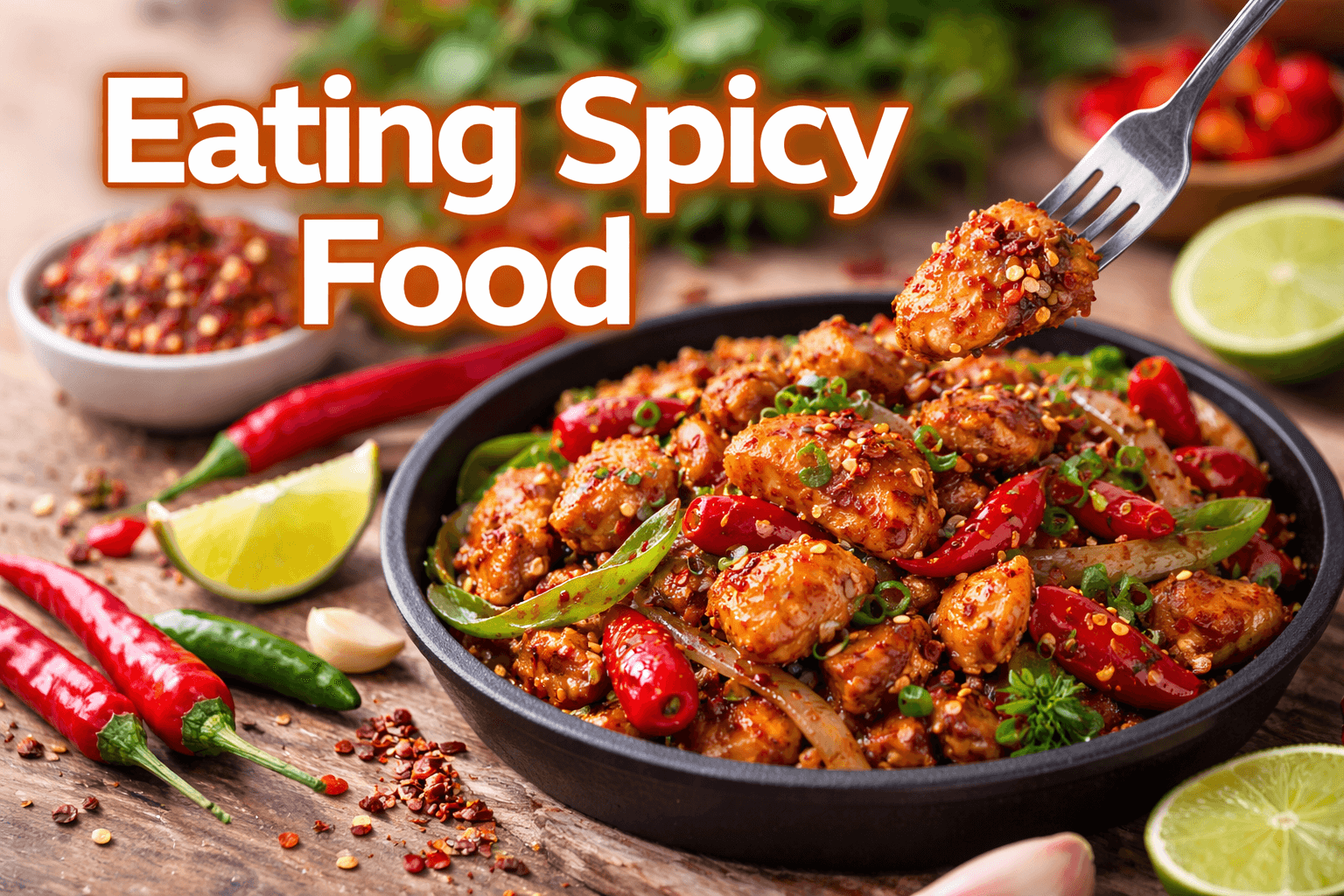
Spicy food has a way of dividing opinions. Some people can’t imagine a meal without heat, while others avoid even mild spice. Beyond taste, eating spicy food affects digestion, metabolism, immunity, and even mood.
But is it always healthy? Does it help when you’re sick? And what about pregnancy?
This guide breaks down the science, real-life effects, and practical tips so you can decide how spicy food fits into your lifestyle.
Table of Contents
What Is Considered Spicy Food?
Spicy food gets its heat mainly from capsaicin, a natural compound found in chili peppers. The intensity depends on the type of pepper, preparation, and portion size.
Common Sources of Spiciness
- Chili peppers (green, red, dried)
- Black pepper
- Cayenne pepper
- Hot sauces
- Wasabi and mustard
Different cuisines—Indian, Mexican, Thai, Korean—use spice in unique ways, combining heat with flavor rather than just intensity.
Why Do People Enjoy Eating Spicy Food?
The burning sensation from spice isn’t actual damage. It’s a signal sent to your brain, which responds by releasing endorphins—your body’s natural “feel-good” chemicals.
Psychological & Sensory Reasons
- Creates excitement while eating
- Enhances flavor complexity
- Can improve mood temporarily
- Builds tolerance over time
This is why many people crave spicy meals despite the initial discomfort.
Health Benefits of Eating Spicy Food
When consumed in moderation, spicy foods can offer several health advantages.
1. May Support Metabolism
Capsaicin slightly increases body temperature, which can:
- Boost calorie burning for a short time
- Improve fat oxidation
- Support weight management when paired with a balanced diet
This doesn’t mean spice alone causes weight loss—but it can help.
2. Can Improve Digestion (For Some People)
Contrary to popular belief, mild spice may:
- Stimulate digestive enzymes
- Improve gut motility
- Reduce bloating in healthy individuals
However, tolerance varies widely.
3. Supports Heart Health
Studies suggest capsaicin may help:
- Lower LDL (bad cholesterol)
- Improve blood circulation
- Reduce inflammation markers
Populations that regularly eat spicy food often show lower rates of certain cardiovascular issues.
4. May Boost Immunity
Spices often contain:
- Antioxidants
- Antimicrobial properties
- Vitamin C (especially chili peppers)
This can help the body fight mild infections more effectively.
5. Can Improve Appetite Control
Spicy meals may:
- Increase satiety
- Reduce overeating
- Slow down meal pace
This makes spice useful for mindful eating habits.
Potential Side Effects of Eating Spicy Food
Despite its benefits, spicy food isn’t suitable for everyone.
Common Issues
- Acid reflux or heartburn
- Stomach irritation
- Diarrhea
- Burning sensation during bowel movements
People with sensitive digestive systems should be cautious.
Eating Spicy Food When Sick: Helpful or Harmful?
This depends on the type of illness.
When It Can Help
Eating spicy food when sick may:
- Clear nasal congestion
- Thin mucus
- Make breathing easier during colds
Hot soups with mild spice are often soothing.
When to Avoid It
Spicy food may worsen symptoms if you have:
- Stomach flu
- Ulcers
- Severe sore throat
- Acid reflux during illness
If spice increases discomfort, it’s best avoided until recovery.
Eating Spicy Food While Pregnant: Is It Safe?
Many expectant mothers worry about spice harming the baby. The good news is that moderate spice is generally safe during pregnancy.
What’s Safe
- Mild to moderate spice
- Well-cooked dishes
- Familiar foods your body tolerates
Possible Discomforts
Eating spicy food while pregnant may cause:
- Heartburn
- Indigestion
- Nausea
- Acid reflux (especially in later trimesters)
The spice doesn’t affect the baby directly—but your comfort matters.
Tips for Pregnant Women
- Avoid very spicy or oily dishes
- Eat smaller portions
- Pair spice with cooling foods like yogurt
- Avoid lying down immediately after meals
Who Should Limit Spicy Food?
Some people may need to reduce or avoid spicy foods entirely.
At-Risk Groups
- People with GERD or acid reflux
- Those with IBS
- Individuals with stomach ulcers
- People recovering from gastrointestinal surgery
Listening to your body is more important than following food trends.
How to Eat Spicy Food Without Upsetting Your Stomach
You don’t have to give up spice completely. Small adjustments can make a big difference.
Practical Tips
- Start with mild heat and increase slowly
- Avoid spicy food on an empty stomach
- Combine spice with fats (like ghee or olive oil)
- Drink milk instead of water if it’s too hot
- Limit late-night spicy meals
These habits reduce irritation while preserving flavor.
Can you eat spicy food in pregnancy? Find out some facts here.
Spicy Food vs Mild Food: A Quick Comparison
| Aspect | Spicy Food | Mild Food |
|---|---|---|
| Flavor intensity | High | Low to moderate |
| Metabolism support | Slight boost | Neutral |
| Digestive risk | Higher for sensitive people | Lower |
| Appetite stimulation | Strong | Moderate |
| Suitability | Depends on tolerance | Suitable for most |
Frequently Asked Questions
Is eating spicy food bad for your stomach?
Not necessarily. For healthy individuals, moderate spice is usually safe. Problems arise with excessive intake or underlying digestive issues.
Can spicy food help with weight loss?
It may support metabolism and appetite control, but it works best alongside a balanced diet and regular exercise.
Does spicy food cause ulcers?
No. Spicy food doesn’t cause ulcers, but it can worsen symptoms if ulcers already exist.
Is spicy food safe for children?
Mild spice is generally fine, but very spicy foods should be avoided as children have more sensitive digestive systems.
Can eating spicy food improve mood?
Yes. Capsaicin triggers endorphin release, which can temporarily boost mood and reduce stress.
Key Takeaways on Eating Spicy Food
Eating spicy food can be both enjoyable and beneficial when done wisely. It may support metabolism, digestion, and heart health while adding excitement to meals. However, it’s not a one-size-fits-all choice.
If you’re sick, pregnant, or have digestive issues, moderation is essential. Watch how your body feels and make changes as needed.
When balanced with proper nutrition, spicy food can be a flavorful part of a healthy lifestyle—without the burn turning into regret.
Our other blogs:
Explore more helpful guides to support a healthy lifestyle for your family.