- Follow us:


Neck Hump: Causes, Symptoms, and Proven Ways to Fix It
23/01/2026
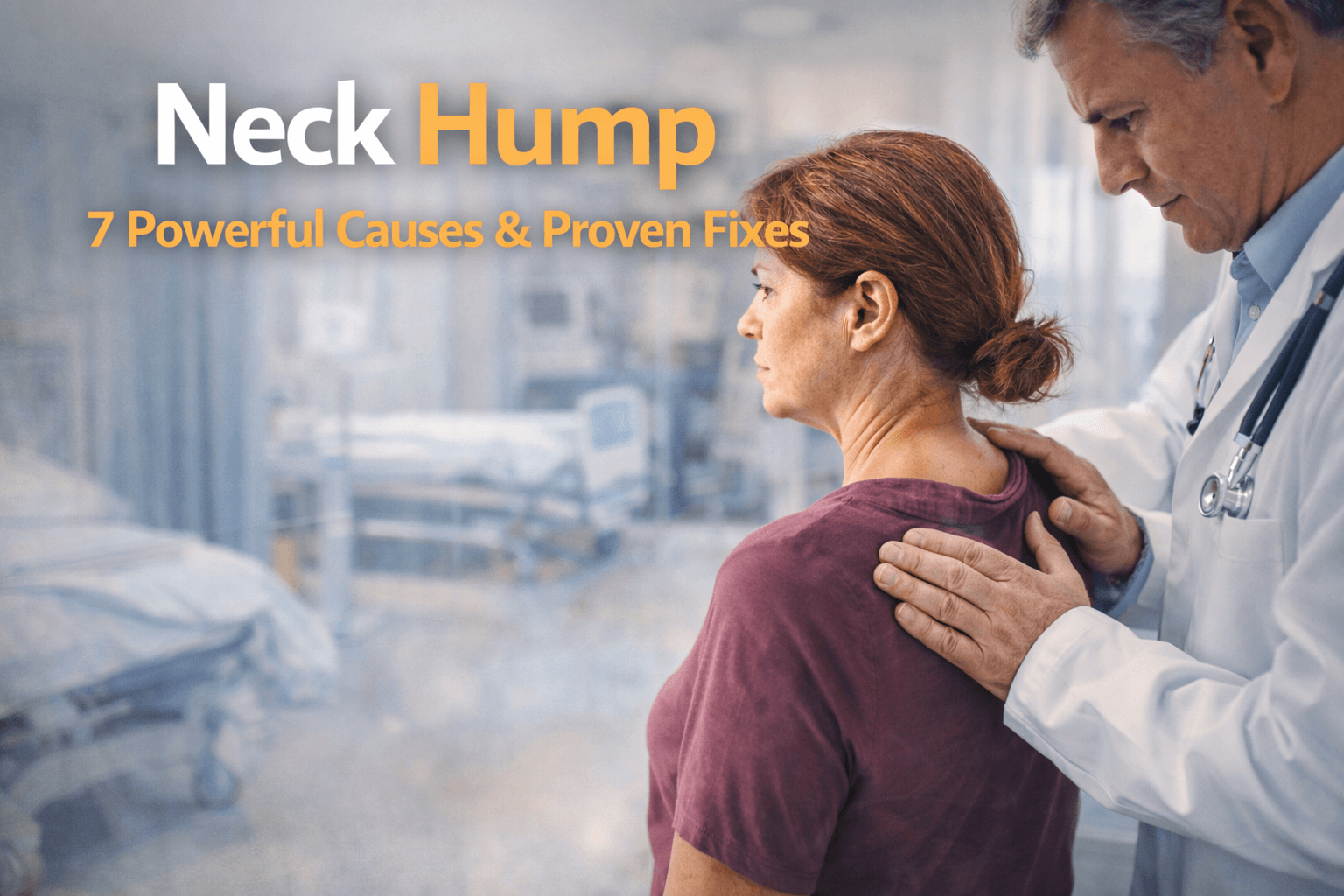
A neck hump is more common today than ever before. Long hours on phones, laptops, and desks have changed how our spine carries weight, often leading to a noticeable bump at the base of the neck. While it may look harmless at first, ignoring it can lead to stiffness, chronic pain, reduced mobility, and posture problems over time.
The good news? In many cases, this condition can be improved—or even reversed—with the right approach.
This guide explains what causes it, how to recognize early signs, and practical steps to correct and prevent it safely.
Table of Contents
What Is a Neck Hump?
A neck hump is a visible protrusion that forms at the base of the neck where the cervical spine meets the upper back. It often develops gradually due to poor posture, muscle imbalance, or underlying health conditions.
This hump is sometimes referred to as:
- Dowager’s hump
- Postural hump
- Tech neck hump
While age can play a role, younger people are increasingly affected due to prolonged screen use.
Common Causes of Neck Hump
1. Poor Posture and Forward Head Position
One of the leading contributors is forward head posture. When the head consistently leans forward, the spine bears extra load, causing structural stress.
Daily habits that worsen posture include:
- Looking down at phones for long periods
- Working on laptops without proper screen height
- Slouching while sitting
Over time, the body adapts to this position, leading to a visible hump.
2. Tech Neck Hump From Screen Overuse
Constant device use forces the neck into a flexed position. This repeated strain tightens chest muscles while weakening the upper back.
This imbalance is a major reason why tech neck hump cases are rising among office workers and students.
3. Muscle Weakness and Imbalance
Weak upper back muscles and tight chest muscles pull the shoulders forward. When the muscles supporting the spine are not doing their job properly, the spine compensates by rounding.
4. Spinal Degeneration or Arthritis
Age-related spinal changes can alter the natural curve of the neck. Conditions like cervical spondylosis or osteoporosis may increase the risk, especially in older adults.
5. Hormonal and Medical Factors
Certain medical conditions can contribute to fat accumulation or bone changes near the neck area.
These may include:
- Long-term steroid use
- Hormonal imbalances
- Cushing’s syndrome
In such cases, professional evaluation is essential.
6. Lack of Physical Activity
A sedentary lifestyle weakens postural muscles. Without regular movement, flexibility and strength decline, making the spine more vulnerable to deformities.
Signs and Symptoms to Watch For
A neck hump does not appear overnight. Early detection can prevent long-term damage.
Common symptoms include:
- Visible bump at the base of the neck
- Neck stiffness or soreness
- Rounded shoulders
- Headaches caused by muscle tension
- Reduced neck mobility
Ignoring these symptoms can let the problem get worse.
How to Get Rid of Neck Hump Naturally
In most posture-related cases, non-invasive methods are highly effective when practiced consistently.
Improve Daily Posture
Small adjustments throughout the day can create big improvements.
Posture tips:
- Keep screens at eye level
- Sit with shoulders relaxed and back straight
- Keep ears aligned over shoulders
- Take posture breaks every 30–45 minutes
Targeted Exercises and Stretches
Corrective exercises help make weak muscles stronger and loosen up muscles that are too tight.
Helpful movements include:
- Chin tucks
- Wall angels
- Upper back rows
- Chest-opening stretches
Practicing these exercises 4–5 times a week can gradually reduce the hump’s appearance.
Ergonomic Workspace Setup
Your work environment matters more than you think.
Simple adjustments:
- Use an external monitor or laptop stand
- Keep keyboard and mouse at elbow height
- Support your lower back with a chair cushion
Weight Management
Too much fat on the upper back can make the hump look more obvious. Eating healthy and staying active can help ease the strain on your spine.
When Medical Treatment Is Needed
If the neck hump is caused by bone changes or medical conditions, lifestyle changes alone may not be enough.
Medical options may include:
- Physical therapy
- Postural braces (temporary use)
- Imaging tests to assess spinal health
- Treating underlying hormonal conditions
Surgery is not often needed and is only considered when the situation is very serious.
How Long Does It Take to See Results?
Results depend on consistency and the root cause.
- Posture-related cases: 6–12 weeks with regular exercises
- Muscle imbalance: noticeable improvement within 2–3 months
- Medical causes: timeline varies based on treatment
Patience is key—this condition develops slowly and improves the same way.
How to Prevent Neck Hump From Returning
Prevention is easier than correction.
Long-term prevention strategies:
- Maintain good posture awareness
- Strengthen upper back muscles
- Limit prolonged screen time
- Stay physically active
- Get regular posture checkups
Do you want to know more about what causes a neck hump? Explore here.
FAQs About Neck Hump
Can a neck hump be completely reversed?
Yes, posture-related cases can often be reversed with consistent exercises and posture correction.
Is a neck hump dangerous?
It is usually not dangerous but can lead to pain, nerve compression, and mobility issues if ignored.
Does sleeping position affect it?
Yes. Sleeping with poor pillow support can strain the neck. A neutral spine position is best.
Are braces effective?
Braces can help temporarily but should not replace exercises or posture training.
Can young people develop this condition?
Absolutely. Increased screen use has made it common even among teenagers and young adults.
Final Takeaways
A neck hump is often a sign that your posture and spinal health need attention. While it may start as a cosmetic concern, it can progress into discomfort and mobility issues if ignored.
The good news is that most cases respond well to posture correction, targeted exercises, and lifestyle changes. Early action makes recovery easier and faster.
If symptoms persist or worsen, seeking professional guidance ensures safe and effective treatment
Our other blogs:
Explore more helpful guides to support a healthy lifestyle for your family.